10 Free Crochet Balaclava Patterns: Easy Step-by-Step
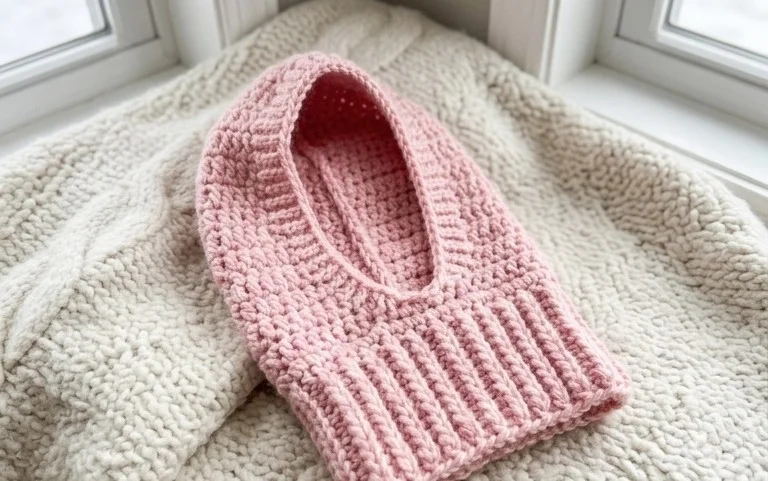
A warm wool mask offers complete coverage against biting winter winds, shielding your nose, cheeks, and neck when the temperature drops. This project provides a snug, structured fit that stays in place during cold morning walks or long commutes. Beginners find this construction satisfying because it uses basic double crochet stitches to build height quickly while shaping around the eyes. You will learn how to transition from a circular start to a flat opening, ensuring the edges remain comfortable against your skin. Whether you want a minimalist solid color or a bold statement piece, these instructions guide you through the process effectively.
Why You’ll Love This Pattern
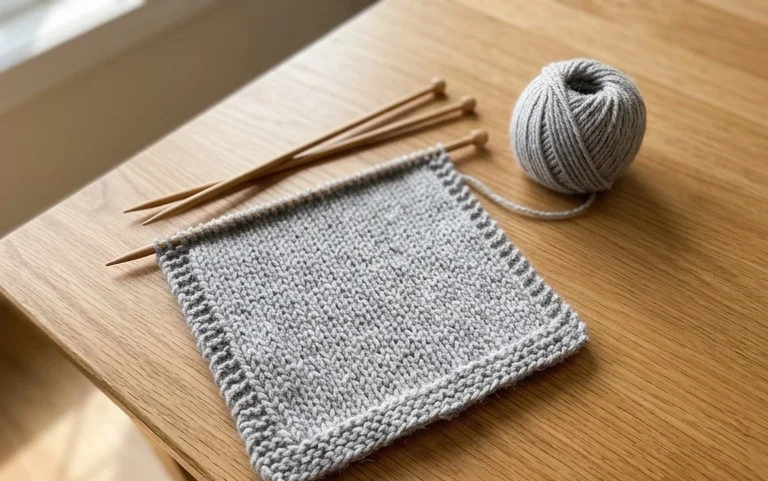
The Classic Crochet Cotton Dishcloth is a staple for every home kitchen because it creates a functional, durable scrubbing surface that synthetic sponges cannot match. By using 100% cotton yarn, this project yields a highly absorbent cloth that stands up to frequent wetting and drying cycles. It works up in under two hours, making it an ideal choice for using up small amounts of leftover yarn from larger projects. The stitch pattern features a rhythmic repeat that is easy to memorize, allowing you to crochet while listening to a podcast or relaxing in the evening.
I made five of these in different colors last weekend. The texture is perfect for scrubbing pots and they wash beautifully in the machine without losing their shape.
— Sarah, home crafter
Pattern Overview & Skill Level
- Skill Level: Beginner
- Approximate Time: 1.5 to 2 hours
- Construction: Worked in flat rows back and forth, starting from a foundation chain
- Finished Dimensions: 8 inches by 8 inches
Materials & Supplies Needed
- Yarn: Worsted weight (#4) 100% cotton yarn, approximately 60 yards.
- Hook Size: 5.0 mm (H-8) crochet hook.
- Notions needed: Tapestry needle for weaving in ends and scissors.
- Safe yarn substitutions: You can use a cotton-linen blend for increased durability and a slightly rougher scrubbing texture, though this may make the finished cloth slightly smaller if the gauge is not adjusted. Avoid acrylic fibers as they do not absorb water effectively.
Stitch Guide & Abbreviations (US Terms)
- ch: Chain
- st: Stitch
- sc: Single crochet
- dc: Double crochet
- sk: Skip
- YO: Yarn over
- Moss Stitch (Special Stitch): A combination of sc and ch-1 spaces. You work a single crochet into the ch-1 space of the row below and chain one, skipping the sc of the row below.
Step-by-Step Pattern Instructions
Main Body
- Foundation: Ch 32.
- Row 1: Sc in the 4th ch from the hook, ch 1, sk next ch, *sc in next ch, ch 1, sk next ch; repeat from * until the last 2 chs, sc in last ch. Turn. (16 sc, 15 ch-1 spaces)
- Row 2: Ch 2, sc in first ch-1 space, *ch 1, sk next sc, sc in next ch-1 space; repeat from * across, ending with a sc in the turning ch-space. Turn. (16 sc, 15 ch-1 spaces)
- Rows 3 through 30: Repeat Row 2 until the piece measures 8 inches square.
Finishing
After completing Row 30, fasten off the yarn, leaving a 6-inch tail. Use your tapestry needle to weave the yarn tail securely into the back of the fabric, ensuring it is hidden within the stitches. Trim any excess yarn close to the surface to prevent fraying during heavy use.
Care & Washing Instructions
- Machine wash your dishcloth in warm water using mild detergent to break down grease and bacteria.
- Tumble dry on low heat or lay the cloth flat on a rack to air dry, ensuring it is fully reshaped while damp.
- Do not use fabric softener, as it leaves a waxy residue that significantly reduces the absorbency of the cotton fibers.
Pro Tips & Common Mistakes to Avoid
Maintain consistent tension by holding your yarn with a steady grip, as overly tight stitches will make the dishcloth stiff and difficult to use. Use a stitch marker at the start of every row to ensure you are catching the turning chain properly, which keeps the edges perfectly straight. Weave your ends in multiple directions—horizontally and then vertically—to lock the tail in place and prevent it from unraveling during frequent machine washing. If you choose to increase the size of the dishcloth, remember that adding width will require more foundation chains and adding length will require more rows, which will consume more yardage than the stated 60 yards.
Frequently Asked Questions
Can I use a larger hook for this pattern?
Yes, using a larger hook will create a drapier, more open fabric. Keep in mind that this will increase the final dimensions of the dishcloth and will require more yarn to reach the same size.
Is this pattern suitable for someone who has never held a crochet hook?
This project is excellent for beginners because it focuses on the two most fundamental stitches: the single crochet and the chain stitch. The rhythmic nature of the moss stitch makes it very easy to track your progress.
Can I sell the dishcloths I make from this pattern?
You are welcome to sell finished items made from this pattern in small quantities. Please provide a link back to this tutorial if you are selling them online to credit the design source.
How do I substitute cotton yarn for a different weight?
If you use a different weight of cotton, such as DK or bulky, you will need to adjust your hook size to match the label recommendation. You will also need to adjust your foundation chain length to achieve an 8-inch width, as the stitch count provided is specific to worsted weight.
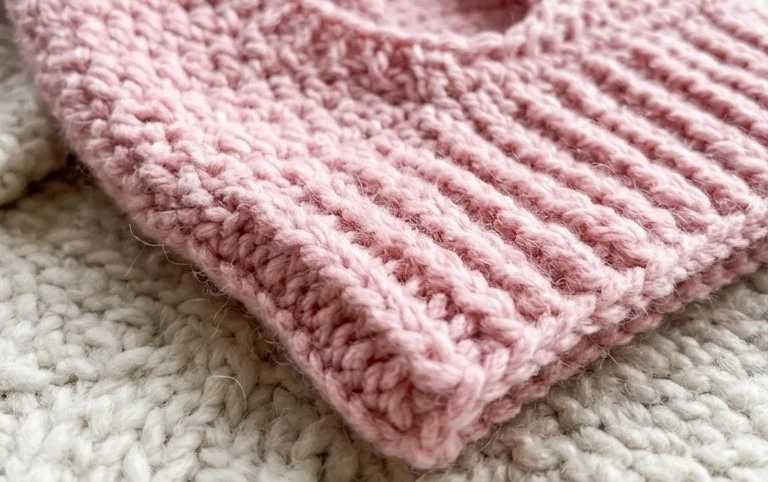
Your finished ski mask keeps you cozy during the coldest months while adding a handmade touch to your winter gear. You might consider using a variegated yarn for your next one to create interesting color shifts without switching spools, or try a chunky wool blend if you prefer a thicker texture. Please share a photo of your work on social media so others can see your color choices. You can also explore the rest of the blog for more free patterns to fill your weekend crafting queue.