Mabel Mods Rooster Edition: Easy Crochet Pattern
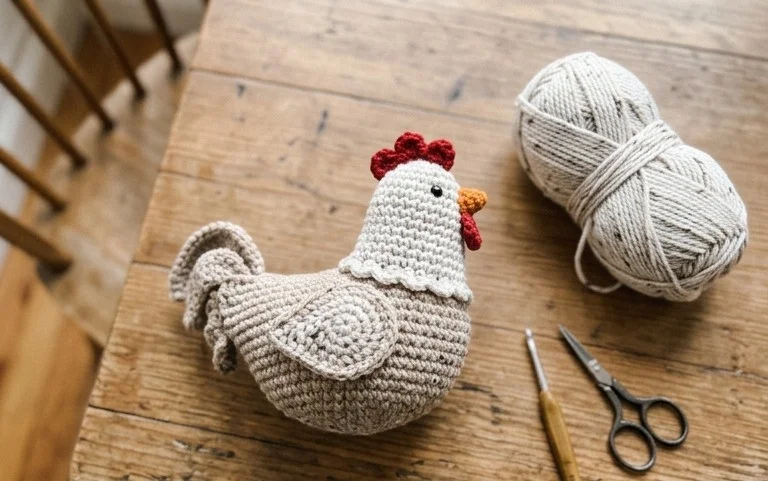
The finished rooster motif feels sturdy yet soft to the touch, making it a reliable addition to any decorative farmhouse display or cozy nursery blanket. These blocks work well for anyone just starting their yarn journey, as they use basic stitches that create a balanced, geometric aesthetic. You will find that this construction method prevents the edges from curling, which saves time on aggressive blocking later. The process focuses on managing tension during color changes, a skill that yields crisp lines and defined shapes. Working through these rounds helps you master spacing while building a charming, tactile accessory that adds character to your home.
Why Crocheters Love It
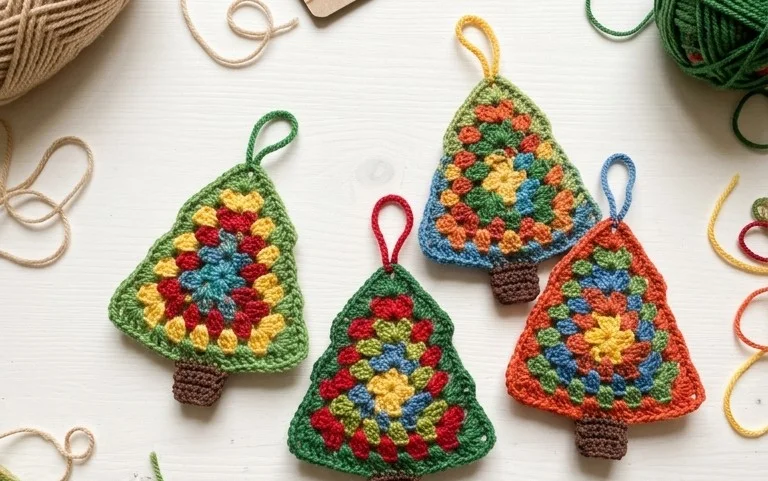
The Classic Crochet Granny Square is the fundamental building block for countless blankets, cardigans, and home decor items. This pattern uses a traditional three-double-crochet cluster technique that balances structure and speed, making it an ideal choice for busy crafters who want to see quick progress. Because each square is worked in continuous rounds, you can easily pick up and set down your hook without losing your place. It is also an effective way to use up leftover yarn, as you can transition between colors after every single round.
I managed to whip up twenty of these squares in a single weekend. They lay perfectly flat and are the exact size I needed for my stash-busting blanket project.
— Sarah, hobbyist maker
Pattern Overview & Skill Level
- Skill Level: Beginner
- Approximate Time: 30 to 45 minutes per square
- Construction: Worked in joined rounds, starting from a center ring and expanding outward
- Finished Dimensions & Sizing: 6 inches by 6 inches when using the recommended yarn and hook
Materials & Supplies Needed
- Yarn: Worsted weight #4, 100% acrylic or wool blend, approximately 20 yards per square.
- Hook Size: 5.0 mm / H-8.
- Notions needed: Yarn needle for weaving in ends, sharp scissors, and an optional measuring tape to ensure gauge consistency.
- Safe yarn substitutions: You may use cotton yarn of the same weight; however, note that cotton has less stretch and may result in a slightly stiffer square. If you switch to DK weight yarn, use a 4.0 mm hook to maintain similar dimensions.
Stitch Guide & Abbreviations (US Terms)
- ch: Chain
- st/sts: Stitch/stitches
- sl st: Slip stitch
- dc: Double crochet
- dc cluster: A set of 3 dc stitches worked into the same space
- sp: Space
- rnd: Round
Step-by-Step Pattern Instructions
Granny Square Body
- Rnd 1: Ch 4, sl st to the first ch to form a ring. Ch 3 (counts as first dc), work 2 dc into the ring, ch 2, 3 dc into the ring, ch 2—repeat from * to * two more times. Join with a sl st to the top of the beginning ch-3. (12 dc, 4 corner spaces)
- Rnd 2: Sl st into the first corner space. Ch 3, 2 dc in same sp, ch 2, 3 dc in same sp (first corner made). Ch 1, skip 3 dc, 3 dc in next corner space, ch 2, 3 dc in same space. Repeat from * to * twice more. Ch 1, sl st to the top of the beginning ch-3. (24 dc, 4 corner spaces, 4 side spaces)
- Rnd 3: Sl st into the first corner space. Ch 3, 2 dc, ch 2, 3 dc in same corner sp. Ch 1, 3 dc in next ch-1 side sp, ch 1, 3 dc in next corner sp, ch 2, 3 dc in same corner sp. Repeat from * to * two more times. Ch 1, 3 dc in final side sp, ch 1, sl st to top of beginning ch-3. (36 dc, 4 corner spaces, 8 side spaces)
- Rnd 4: Continue the established pattern. Work 3 dc, ch 2, 3 dc in each corner, and 3 dc in each side ch-1 space, separated by ch 1. Continue until square measures 6 inches. (48 dc for Rnd 4)
Finishing
After reaching your desired size, fasten off your yarn, leaving a 6-inch tail. Use your yarn needle to weave the tail through the back loops of the stitches from the final round. Trim the excess yarn close to the fabric to ensure a clean appearance. If you plan to join these squares together, leave a longer tail on every second or third square to use as joining thread.
Care & Washing Instructions
- Machine wash in cold water on a delicate cycle using mild detergent.
- Lay the square flat on a clean towel to air dry, reshaping it with your hands while damp.
- Avoid using bleach or tumble drying, as high heat can compromise the elasticity of the yarn fibers.
Pro Tips & Common Mistakes to Avoid
Maintain consistent tension by holding your yarn with a steady grip, especially during the ch-2 corner spaces where the fabric is most prone to loosening. Always place a stitch marker in the first stitch of every round to easily identify your starting point, which prevents the accidental addition or omission of clusters. Weave your ends in as you go, moving the needle in a zigzag pattern through the stitches to ensure they remain secure through repeated washing. If you want a larger square, simply add more rounds; note that each additional round requires approximately 10 extra yards of yarn.
Frequently Asked Questions
Can I use a different hook size?
Yes, you can use a different hook size, but it will change the finished dimensions and the drape of the square. A larger hook will result in a larger, looser square, while a smaller hook will create a tighter, smaller square.
Is this pattern suitable for complete beginners?
This pattern is highly recommended for beginners because it focuses on basic stitches like the chain and double crochet. It teaches the important skill of working in rounds and identifying corner spaces.
Can I sell the items I make from this pattern?
Yes, you are welcome to sell finished items made from this pattern, provided you credit the designer. Please note that you cannot use the pattern text itself for commercial distribution.
Why do my squares look like a circle or ruffle?
If your square is ruffling, you are likely adding too many stitches or not skipping enough stitches on the sides. If it is curling into a bowl shape, you may have too few stitches in the corners. Check your stitch counts against the instructions for each round.
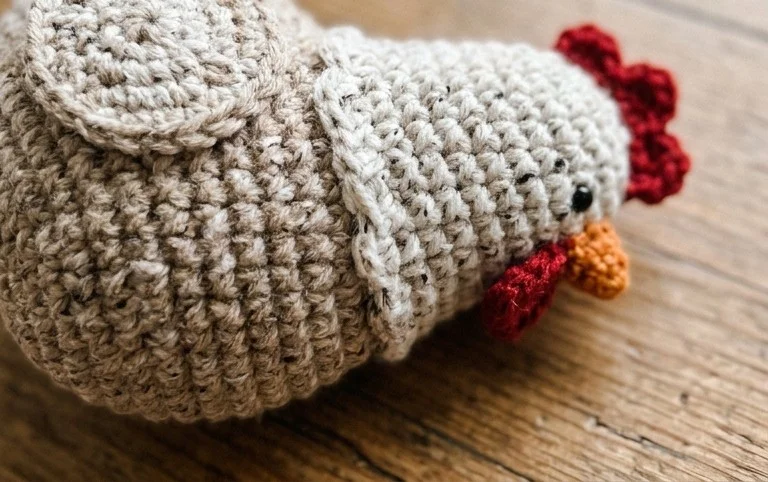
These completed rooster motifs add a playful touch to your collection, and they look wonderful sewn together into a larger wall hanging or a textured decorative pillow cover. Try swapping your primary yarn for a variegated cotton blend if you want to experiment with a softer, dappled appearance on the bird’s feathers. Sharing a photo of your finished work online helps others see how your unique color choices change the final look of the project. Browse the rest of our blog archives for more beginner-friendly patterns to add to your rotation this coming season.