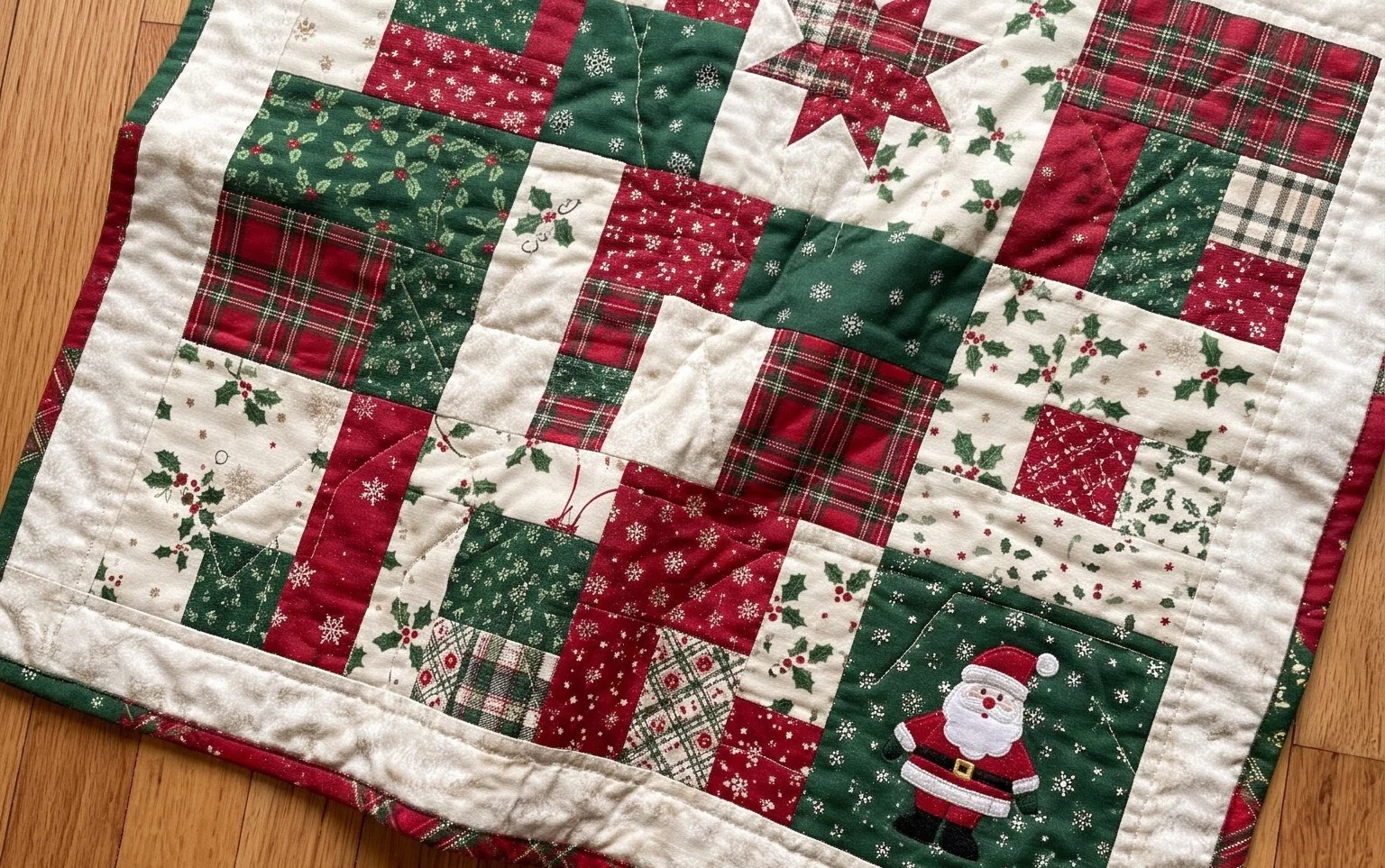
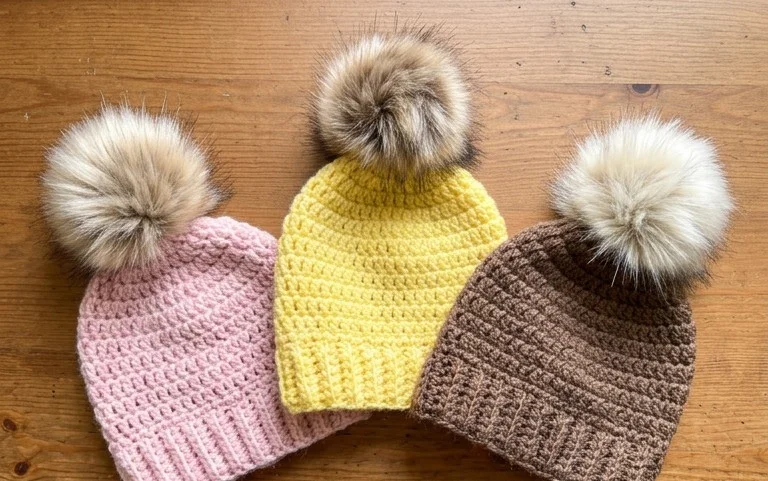
Easy Onyx Christmas Table Runner Crochet Pattern Guide
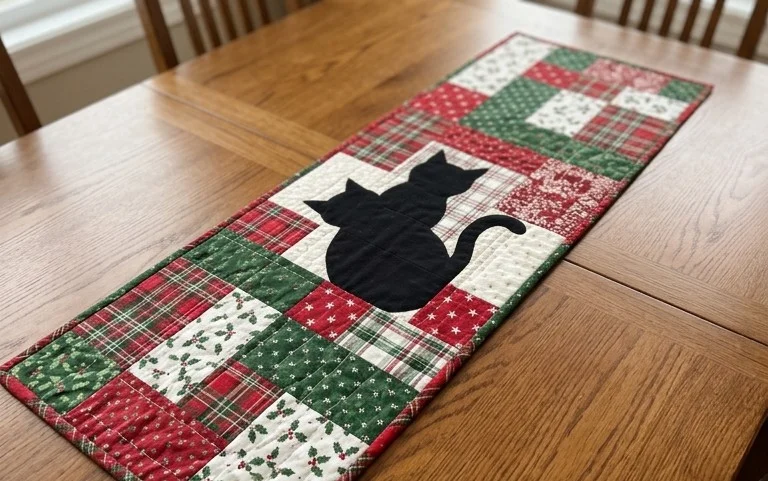
Deep onyx yarn gives a Christmas table a calm, grounded look, while the crocheted rows add clear handmade texture across the cloth. It lies flat beneath serving dishes and adds contrast to pale plates, green foliage, and candlelight. A runner in this dark shade suits makers who like understated holiday decor, and gift-makers who want a useful project with a personal finish. The repeating row rhythm gives beginners room to practice even tension and tidy edges without juggling shaped pieces. More experienced crocheters can settle into the steady work and enjoy watching a table-length piece take shape. In the pattern, you’ll get guidance on the stitch texture and working back and forth in rows, with notes to help keep the sides straight. The finished runner feels substantial yet flexible enough to drape neatly along a dining table.
Why You’ll Love This Pattern
A firm cotton dishcloth is useful at the sink, and its simple rows make it a comfortable first project for practicing even tension. This beginner crochet dishcloth is worked flat in single crochet, so there are no increases, decreases, or seams to manage.
The pattern uses about 100 yards of worsted-weight cotton, which makes it a practical way to use a partial skein. The dense fabric holds up to regular washing, and the small size is easy to finish in a few sittings. A stack of handmade cloths also makes a useful housewarming gift.
The rows were easy to follow, and I had a sturdy cloth ready in an evening. I marked the first stitch on each row, which helped keep the edges straight.
— Nora, illustrative sample review
Pattern Overview & Skill Level
- Skill Level: Beginner. You need to know how to chain and make a single crochet stitch.
- Approximate Time: 2–3 hours, depending on your pace and how often you pause to check your edges.
- Construction: A flat rectangle worked back and forth in rows, without a separate border.
- Finished Dimensions & Sizing: Approximately 8.5 × 8 inches after washing and drying flat. Cotton can relax slightly when wet, so treat this as an estimate rather than a guaranteed measurement.
Materials & Supplies Needed
- Yarn: About 100 yards of worsted-weight cotton yarn, Weight 4. Choose one color, or use two colors and join the new color at the start of a row.
- Hook Size: 5.0 mm / H-8 crochet hook. Use the hook that gives you the stated gauge; switch hook sizes if your fabric is unusually loose or stiff.
- Notions: Tapestry needle for weaving in ends, scissors, and a ruler or measuring tape. A locking stitch marker is optional but helpful for marking the first stitch of a row.
- Substitutions: A smooth, washable cotton or cotton blend in a similar worsted weight is a suitable substitute. Linen or a cotton-linen blend may feel firmer and soften with use. Acrylic is less absorbent and may feel warmer against wet hands, so it is not the first choice for a dishcloth. A thicker yarn or larger hook will make a larger, looser cloth; a thinner yarn or smaller hook will make a smaller, denser one.
Gauge: 15 single crochet stitches and 16 rows measure about 4 inches square in a relaxed swatch. Check your gauge before starting if you want the finished cloth close to the stated size. This project does not need a perfectly exact gauge to work well.
Stitch Guide & Abbreviations (US Terms)
- ch: Chain. Yarn over and pull through the loop on the hook.
- sc: Single crochet. Insert the hook into the stitch, yarn over and pull up a loop, yarn over and pull through both loops on the hook.
- st: Stitch.
- sts: Stitches.
- rep: Repeat.
The turning chain at the start of each row does not count as a stitch. Work the first single crochet into the first stitch, not into the turning chain. This keeps the sides from gaining stitches over time.
Step-by-Step Pattern Instructions
Dishcloth
- Foundation: Ch 33. The chain provides 32 stitches for the first row.
- Row 1: Sc in the second ch from the hook and in each ch across. Turn. (32 sts)
- Row 2: Ch 1, sc in each st across. Turn. (32 sts)
- Rows 3–32: Rep Row 2. Each row has 32 sc. At the end of Row 32, fasten off and leave a tail of about 6 inches. (32 sts each row)
Finishing
Thread the tail onto a tapestry needle. Weave it through the backs of several stitches, then change direction and weave through a few more so it is less likely to work loose in the wash. Secure and trim the end close to the fabric without cutting into the stitches. Weave in the foundation tail the same way.
Lay the cloth flat and measure it. If the edges curl, gently pat them straight and let the cloth rest flat; avoid pulling hard, since that can stretch the rows unevenly. If you used two colors, weave in each color change securely before washing.
Care & Washing Instructions
- Wash cotton in warm water, up to 40°C (104°F), with similar colors and ordinary laundry detergent.
- Dry flat for the neatest shape, or tumble dry on low if the yarn label allows it.
- Reshape the damp cloth by patting the edges straight; cotton usually needs no formal blocking.
Pro Tips & Common Mistakes to Avoid
- Keep the edge relaxed: Make the turning chain loose enough to lie flat. Tight chains can pull the row ends inward and leave the cloth narrower at the top.
- Count every row: Check that each row has 32 stitches. Mark the first stitch if you tend to miss the final stitch near the row end; skipping it makes the cloth taper.
- Hide ends securely: Weave yarn tails through the backs of stitches in more than one direction. A short, straight pass can loosen after repeated washing.
- Adjust size with a plan: For a wider cloth, add chains to the foundation and work the same number of single crochets across. For a longer cloth, add rows. Each added stitch or row uses more yarn, so have extra cotton available before increasing both dimensions.
Frequently Asked Questions
Can I use a different yarn fiber?
Yes, but choose a yarn that can handle frequent washing. Cotton is absorbent and holds up well for kitchen use. A cotton blend can work too; check its care label and make a small swatch because blends may stretch or dry differently.
How do I make the dishcloth larger or smaller?
Change the foundation chain to adjust the width, then work more or fewer rows to adjust the length. Keep the turning chain separate from the stitch count, and make sure every row has the same number of single crochet stitches as the first row.
Is this pattern suitable for a first crochet project?
Yes. It uses only chains and single crochet stitches, worked in straight rows. The main thing to watch is the first and last stitch of each row, since missing either can make the sides slant.
Can I sell dishcloths made from this pattern?
Check the terms provided by the designer or publisher before selling finished items, and follow any rules about credit or commercial use. If you are unsure, ask the pattern’s rights holder rather than assuming the pattern permits sales.
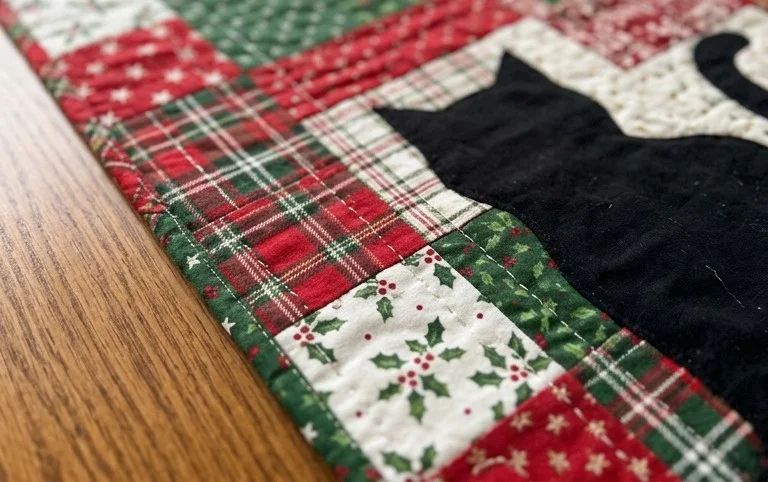
Seeing the finished runner stretched across the Christmas table is a satisfying reward for all those steady crochet rows. Its dark, textured surface gives the place settings a defined edge, and it can come back out for holiday meals year after year. For a simple variation, work the same design in deep forest green or a warm cranberry shade to change the mood without altering the construction. Take a photo once it is arranged on your table, and share it on Pinterest or your favorite social media account so other crocheters can see how yours turned out. If you enjoyed this project, explore more free crochet patterns on the blog for handmade pieces to use at home or give to someone you love.