8 Easy Christmas Tree Motif Free Crochet Patterns to Make
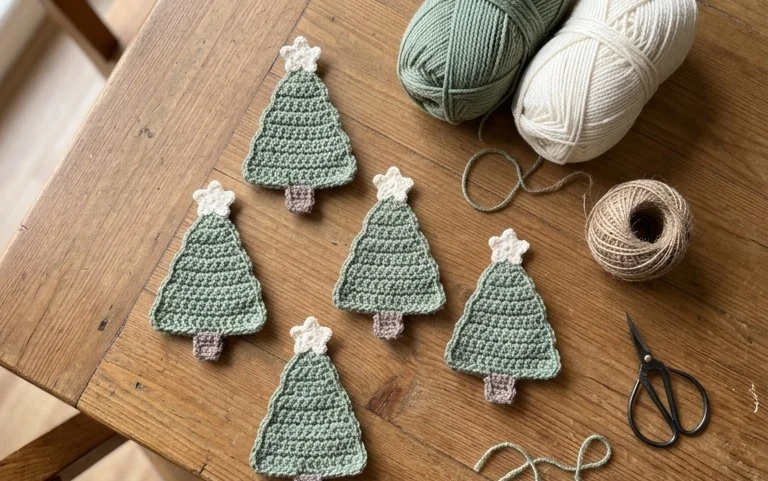
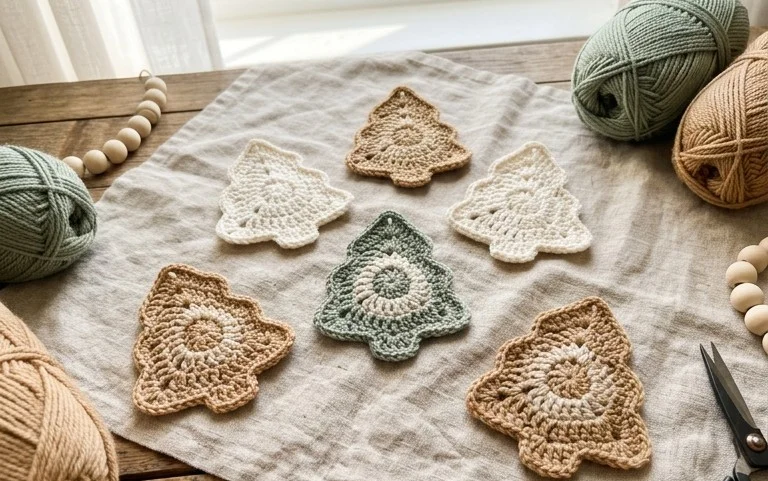
Small crochet trees add a handmade touch to a mantel, holiday wreath, or wrapped gift, and their neat shapes are easy to personalize with yarn and color. This collection brings together eight Christmas tree motifs, from simple flat designs to options with extra texture, so you can choose a project that suits your time and skill level. Beginners can practice basic stitches and shaping on a small scale, while experienced crocheters can use the motifs to work through leftover yarn or make a coordinated set. The patterns are useful for ornaments, garlands, gift toppers, and seasonal appliqués. As you work, you’ll find guidance on reading the stitch instructions, keeping the edges tidy, and adding finishing touches such as a hanging loop or small embellishment. Each finished tree is a satisfying little piece that is quick to place around the home or share as a handmade gift.
Why You’ll Love This Pattern
A firm cotton dishcloth has a lightly textured surface that works well for wiping counters and washing dishes. This beginner-friendly pattern uses single crochet in straight rows, so you can focus on keeping the edges even instead of learning several stitches at once.
The small size makes it a practical project for a quiet evening, and one skein of cotton yarn is enough for a cloth with some yarn left over. Make a set in one color for a coordinated kitchen, or use leftover cotton yarn for simple stripes. The solid fabric is also easy to fold and store.
The rows were easy to follow, and the finished cloth feels sturdy without being stiff.
— Sample maker note
Pattern Overview & Skill Level
- Skill Level: Beginner. You need to chain and work single crochet in rows.
- Approximate Time: 2–3 hours, depending on your speed and how often you pause to check your stitch count.
- Construction: A flat rectangle worked back and forth in single crochet rows, then finished with a simple border and woven-in ends.
- Finished Dimensions & Sizing: About 8 × 8 in (20 × 20 cm) after washing and drying flat. The pattern gauge is 15 single crochet stitches and 16 rows over 4 in (10 cm).
Materials & Supplies Needed
- Yarn: About 75 yd (69 m) of worsted-weight (#4) 100% cotton yarn in one color. Cotton absorbs water and holds its shape better for dishcloth use than many acrylic yarns.
- Hook: 5.0 mm / H-8 crochet hook. If your fabric feels loose or has visible gaps, try a 4.5 mm / 7 hook; if it feels rigid, try a 5.5 mm / I-9 hook.
- Notions: Tapestry needle for weaving in ends, scissors, and a ruler or measuring tape. A stitch marker is optional but can help you keep track of the first stitch in each row.
- Substitutions: A similar-weight cotton or cotton-linen blend is a good substitute. A thinner yarn makes a smaller, lighter cloth, while a thicker yarn makes a larger, heavier cloth and may need a larger hook. Check your gauge before making the full piece.
Stitch Guide & Abbreviations (US Terms)
- ch: Chain. Yarn over and pull through the loop on the hook.
- sc: Single crochet. Insert the hook in the stitch, yarn over and pull up a loop, then yarn over and pull through both loops on the hook.
- st / sts: Stitch / stitches.
- RS: Right side, the face of the work you choose to show.
- WS: Wrong side, the opposite face of the work.
The turning chain at the start of each row does not count as a stitch. Work the first single crochet into the first stitch, and make the last single crochet in the final stitch of the previous row. This keeps the side edges straight.
Step-by-Step Pattern Instructions
Dishcloth
Use the 5.0 mm / H-8 hook. Keep your starting chain relaxed; a tight chain can pull the bottom edge inward. Turn at the end of each row.
- Row 1: Ch 31. Sc in the second ch from the hook and in each ch across. (30 sts)
- Rows 2–32: Ch 1, turn. Sc in each st across. Count 30 stitches in every row. (30 sts per row)
After Row 32, check the cloth against the gauge and measure it before adding the border. It should be close to 8 in (20 cm) square. A small difference is normal because cotton can relax after washing.
Border & Finishing
Ch 1 and turn so you can work along the edge. Sc evenly around the cloth, placing 1 sc in each row end along both sides and 1 sc in each stitch along the top and bottom. Work 3 sc in each corner to help the border lie flat. Join with a sl st to the first sc. The exact border stitch count depends on how many stitches you place along the row ends, so spread them evenly rather than forcing a fixed count.
Fasten off, leaving a tail long enough to weave in securely. Thread the tail onto a tapestry needle and weave it through several stitches on the WS, then change direction and weave through a few more. Trim the end close without cutting into the fabric. Repeat with the starting tail. Wash the cloth before its first use to remove any handling residue and let the stitches settle.
Care & Washing Instructions
- Wash cotton dishcloths with like colors in warm water, around 40°C (104°F), or follow the temperature on your yarn label.
- Reshape the cloth and dry it flat to help the edges stay square; cotton may shrink if exposed to high dryer heat.
- After washing, smooth the corners and gently block the cloth to its original measurements while damp.
Pro Tips & Common Mistakes to Avoid
- Keep a steady, relaxed tension in the foundation chain. If it is much tighter than the single crochet rows, the bottom edge will pucker; use a hook one size larger just for the chain if needed.
- Count all 30 stitches as you work each row. Place a marker in the first stitch of a row if you tend to miss the last stitch, especially when turning.
- Weave in each end on the wrong side and change direction once or twice. A short tail worked through only one straight line can loosen with repeated washing.
- To make the cloth wider, add chains while keeping an odd starting-chain count, then work single crochet in the second chain from the hook and across. Each extra chain adds one stitch and uses a little more yarn; add rows as well if you want to keep the cloth square.
Frequently Asked Questions
Can I use acrylic yarn instead of cotton?
You can, but acrylic is less absorbent and may not scrub or dry like cotton. The finished size can also change, so check your gauge and follow the care instructions for the yarn you choose.
How can I make a smaller dishcloth?
Start with fewer chains, keeping an odd number so the first single crochet row begins in the second chain and has an even stitch count. Work fewer rows to keep the cloth close to square. The smaller version will use less yarn.
Is this pattern suitable for a first crochet project?
Yes. It uses only chain and single crochet, with no shaping or complicated joins. The main challenge is counting the first and last stitch in each row so the sides do not narrow.
May I sell dishcloths made from this pattern?
Check the designer’s terms before selling finished items, and follow any requirements for pattern credit. The yarn label may also include guidance about using the finished fabric commercially.
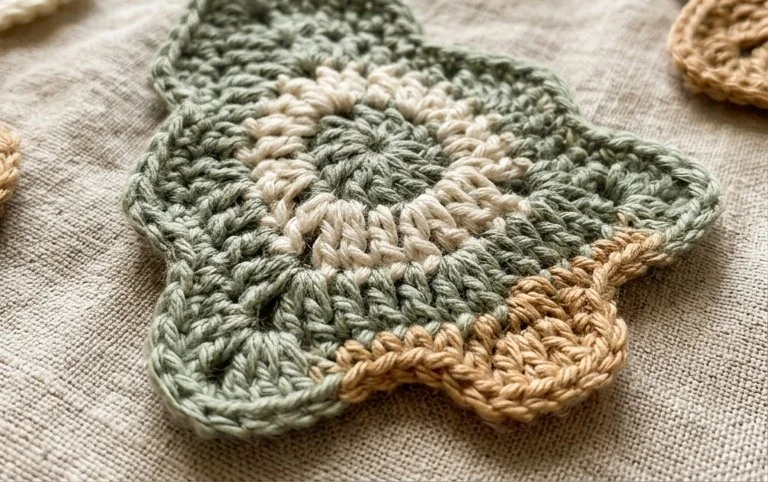
A handful of crocheted trees can turn leftover yarn into ornaments, gift decorations, or a small garland, with each motif adding its own handmade character to your holiday setup. For a simple variation, use two shades of green for the tree and a contrasting color for the trunk, or choose one festive color for the whole set. Keep your finished pieces together in a dry box so they are ready to hang next season. If you make one of these motifs, share a photo on Pinterest or your favorite social media platform. Then browse the blog for more free crochet patterns to add to your project list.