Easy Free Book Rat Crochet Pattern with Video Tutorial
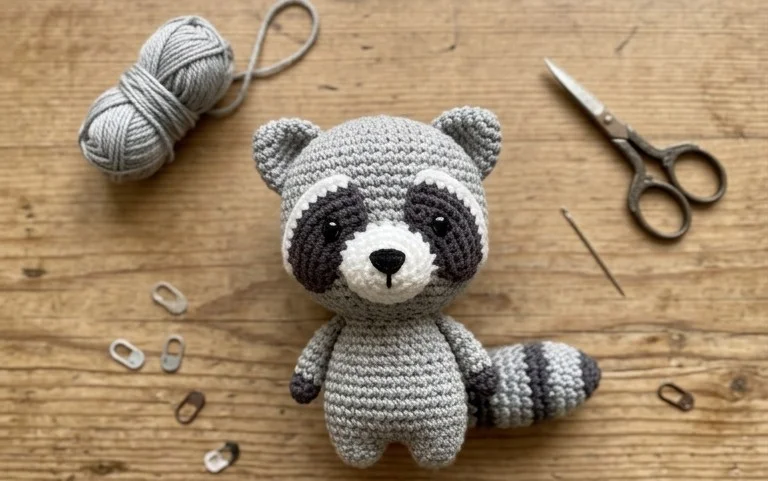
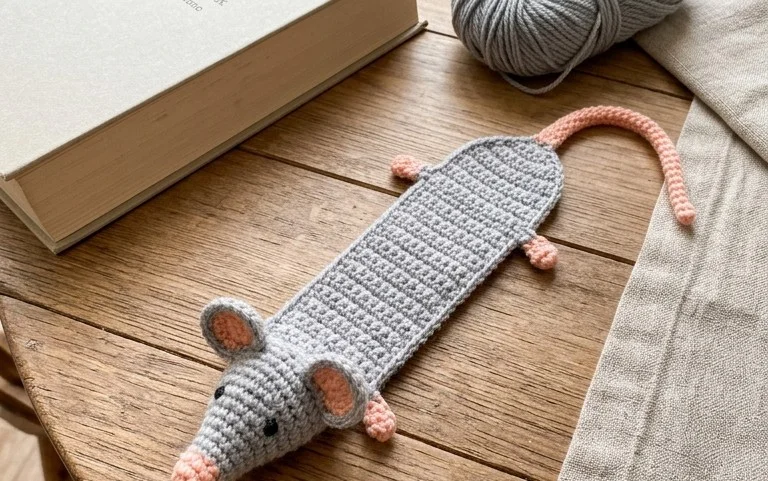
A small yarn rat peeking over the edge of a book adds a playful touch to a reading nook or bedside table. With its rounded body, little ears, and long tail, this crocheted companion makes a sweet handmade gift for book lovers and a fun project for anyone who enjoys making small toys. Beginners can follow along at a comfortable pace, and the video tutorial helps make each part easier to see. You’ll learn how simple crochet stitches and careful shaping bring the rat’s features together. The finished piece is soft to hold, light enough to tuck beside a favorite paperback, and satisfying to complete without taking up a whole weekend. Choose a classic gray, warm brown, or a cheerful color that suits the reader who’ll receive it.
Why You’ll Love This Pattern
A firm, 6-inch cotton square makes a handy dishcloth for wiping counters, washing dishes, or keeping beside the sink. The pattern uses single crochet throughout, so you can focus on even tension and straight edges instead of learning several stitch patterns. One small ball of cotton is usually enough, which makes this a practical project for leftover yarn. Its compact size also makes it easy to finish in a few relaxed sessions.
Because the cloth is worked flat in rows, you can see the edges and stitch count as you go. The dense fabric holds up well to regular use, and cotton absorbs water without the stretch that can make some synthetic yarns feel floppy.
The simple rows were easy to keep track of, and the cotton square came out sturdy enough for everyday washing.
— Lena, home crocheter
Pattern Overview & Skill Level
- Skill Level: Beginner. You need to chain, single crochet, and turn your work.
- Approximate Time: About 2–3 hours, depending on your pace and how often you stop to check your edges.
- Construction: One flat square, worked back and forth in rows from a foundation chain. There is no seaming or joining.
- Finished Dimensions & Sizing: About 6 × 6 inches (15 × 15 cm) after washing and drying flat, using the stated gauge.
Materials & Supplies Needed
- Yarn: About 45–55 yd (41–50 m) of worsted-weight (#4) 100% cotton yarn in one color. Choose a smooth, tightly spun cotton so the stitches are easy to see and the cloth is absorbent.
- Hook Size: 5.0 mm / H-8. Check your gauge; use a smaller hook if your fabric is loose or a larger hook if it is stiff.
- Notions: Tapestry needle for the two yarn ends, scissors, and a ruler or measuring tape. A stitch marker is optional but can mark the first stitch of each row.
- Substitutions: A similar-weight cotton blend can work, though it may feel softer or stretchier and may absorb water differently. Avoid acrylic for a dishcloth because it is less absorbent. A different yarn weight or hook will change the finished size and yardage.
Gauge: 16 single crochet stitches and 18 rows measure about 4 inches (10 cm) square. Make a small swatch if the finished size matters. Adjust your hook until the stitch gauge is close, then measure the swatch after washing and drying it as you plan to care for the cloth.
Stitch Guide & Abbreviations (US Terms)
- ch = chain.
- sc = single crochet: insert the hook in the indicated stitch, yarn over and pull up a loop, yarn over again and pull through both loops.
- st / sts = stitch / stitches.
- rep = repeat.
- turn = turn the work so the next row is crocheted across the opposite side.
The turning chain at the start of each row does not count as a stitch. Work the first single crochet into the first stitch of the row, not into the turning chain. This keeps the stitch count at 24.
Step-by-Step Pattern Instructions
Dishcloth
- Foundation: Ch 25. Keep the chain relaxed so the bottom edge does not pull inward.
- Row 1: Sc in the second ch from the hook and in each ch across. Turn. (24 sts)
- Rows 2–27: Ch 1, sc in each st across. Turn. Repeat this row for every row from 2 through 27. (24 sts each row)
- Finish: After Row 27, fasten off, leaving a 6-inch (15 cm) tail. Pull the tail through the final loop. Thread it onto a tapestry needle and weave it through the backs of several stitches, then change direction and weave through a few more stitches to secure it. Weave in the foundation tail the same way. Trim the remaining ends close to the fabric without cutting the stitches.
Before fastening off, check that the cloth is close to 6 inches wide and tall. A small difference is normal because cotton can change slightly after washing. If the piece is much wider or narrower, your stitch gauge may differ from the stated gauge.
Care & Washing Instructions
- Wash cotton in cool or warm water, up to 40°C (104°F), with similar colors; follow the yarn label if it gives a lower temperature.
- Lay the cloth flat to dry, or tumble dry on low only if the yarn label permits it.
- While damp, gently reshape the edges and corners by hand; blocking is optional for this everyday square.
Pro Tips & Common Mistakes to Avoid
- Keep your tension steady: Cotton has little stretch, so tight foundation chains can make the bottom edge narrower than the rest. If chaining tightly is a habit, use a hook one size larger for the foundation chain only.
- Count as you go: Check for 24 stitches at the end of each row. A marker in the first stitch can help you spot the edge stitch, which is easy to miss when turning.
- Secure ends neatly: Weave each tail through the backs of stitches and change direction once. Do not knot the ends into a hard lump, since that can feel rough when using the cloth.
- Adjust size with the yarn in mind: For a wider cloth, add chains to the foundation and work the same number of single crochets across. Add rows for extra length. A larger square takes more yarn, so allow roughly 10–15 additional yards for each extra inch in both dimensions.
Frequently Asked Questions
Can I use cotton yarn from my stash?
Yes, if it is close to worsted weight and has a suitable care label. A thinner yarn makes a smaller, lighter cloth, while a thicker yarn makes a larger, denser one. Check the gauge and measure your work as you go.
How can I make the dishcloth smaller or larger?
Change the foundation chain to adjust the width, then add or remove rows to adjust the length. Keep the row count aligned with the number of single crochets in the foundation, and expect a larger cloth to use more yarn.
Is this pattern suitable for a first crochet project?
Yes. It uses only chains and single crochet in straight rows. The main challenge is working the first and last stitch of each row consistently; counting 24 stitches after every row helps the edges stay even.
May I sell dishcloths made from this pattern?
Check the designer’s terms before selling finished items, and follow any credit or listing requirements. If you sell the cloth, describe the yarn fiber accurately and include care instructions from its label.
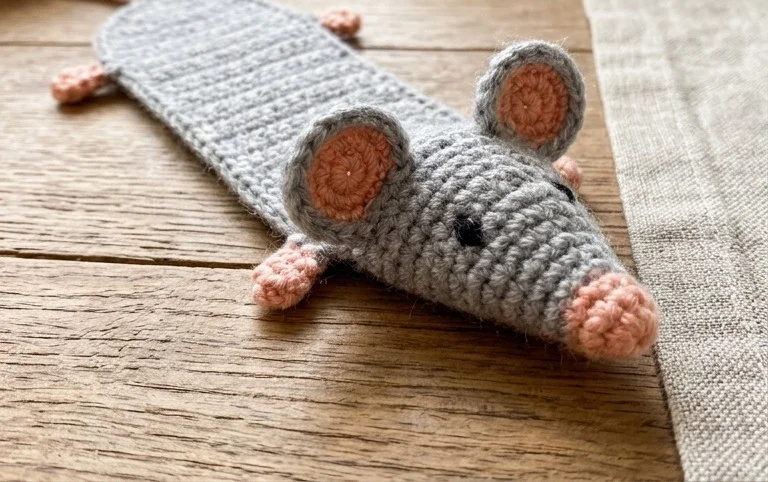
Your little book rat is ready to keep a place beside a favorite story, with its soft shape and curious face adding a handmade touch to the bookshelf. For a simple variation, choose a speckled or brightly colored yarn to give your rat a different look while keeping the same pattern. When you finish, share a photo on Pinterest or your favorite social platform so other readers can see your version. You could photograph it peeking over an open book or sitting on a shelf beside a stack of paperbacks. If you enjoyed making this small crochet companion, explore more free patterns on the blog for your next quiet evening project.