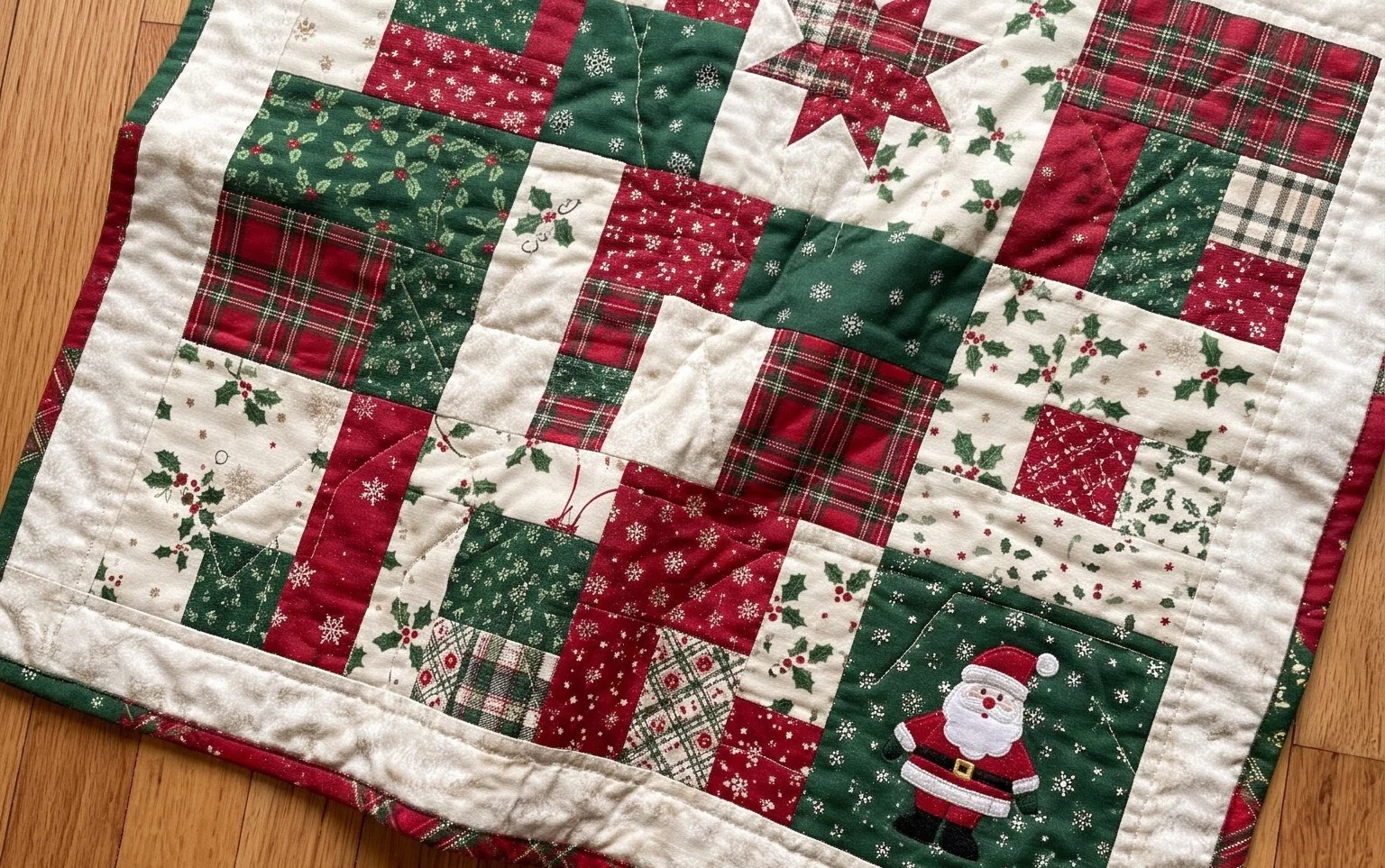
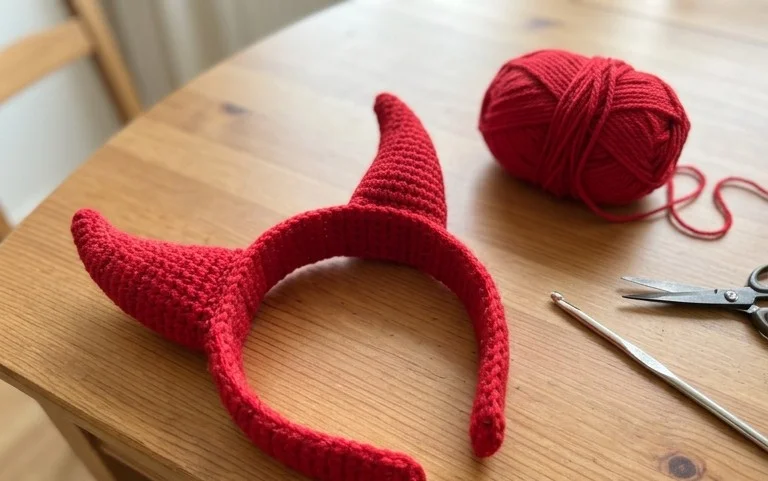
Free Christmas Crochet Tote Bag Pattern for Beginners
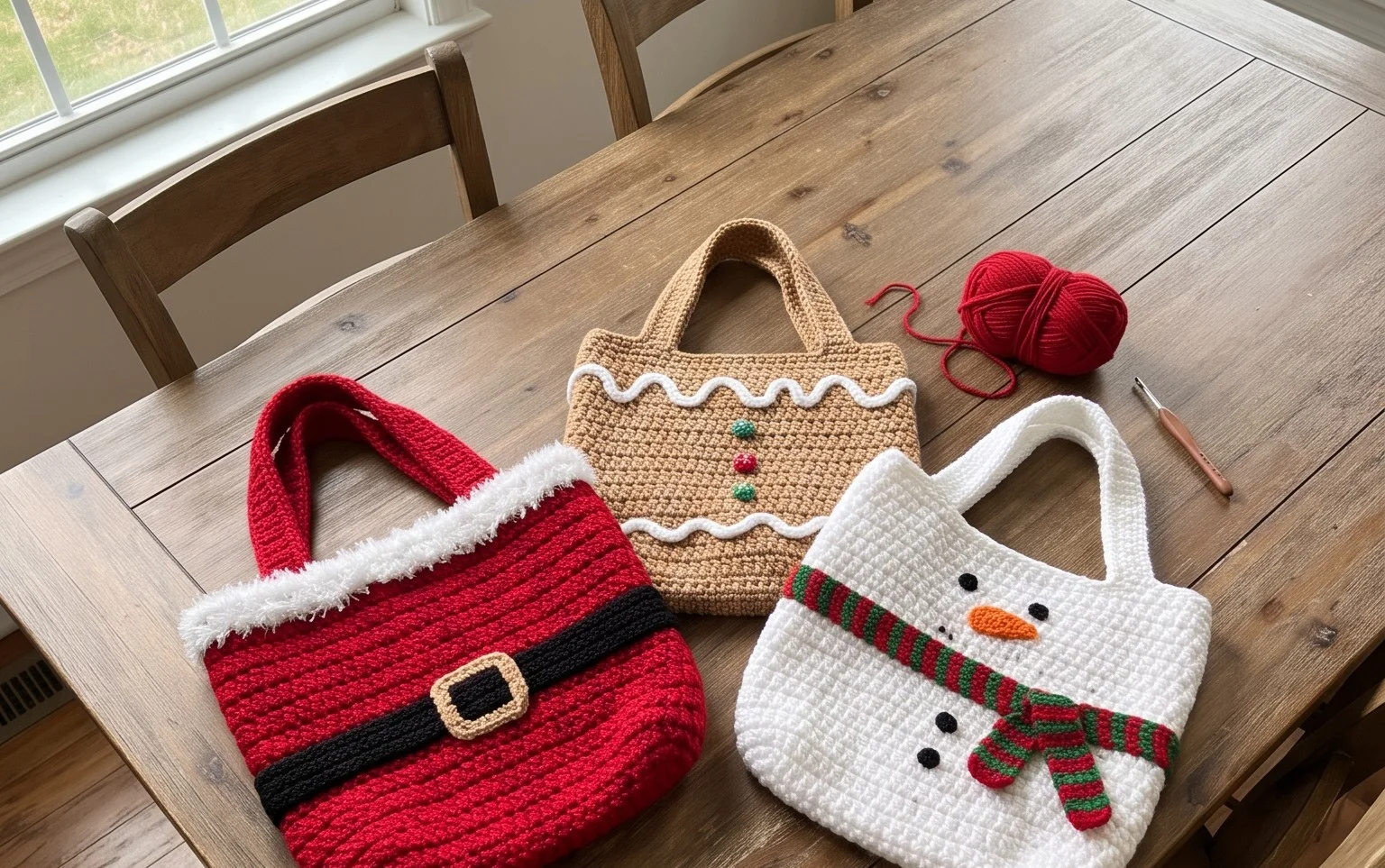
A crocheted tote in evergreen cotton with stripes of red and cream carries holiday colors without feeling fussy. Its soft fabric has enough give for shopping, books, or a small bundle of gifts, while sturdy handles make it useful after the decorations come down. This Christmas bag suits crocheters learning to keep their edges even, as well as gift makers who want a handmade present with a practical use. Working through the repeated stitches gives your hands a steady rhythm, and watching the bag take shape makes the project satisfying across a few sessions. The pattern explains how to build the bag and finish its handles, with tips for checking the dimensions as you go. Choose classic red and green, or pick shades that match your winter wardrobe. A cotton yarn gives the tote a firm feel, and a small swatch can help you check your tension before you begin.
Why You’ll Love This Pattern
Worsted-weight cotton makes a sturdy, absorbent washcloth with a simple ridged texture. You work it flat in single crochet, so there are no increases, decreases, seams, or complicated repeats to track.
The cloth is a practical first project if you are learning to keep even edges. The back-loop rows make a soft rib that you can feel as you crochet, and the pattern uses one color of yarn, so you can concentrate on the stitches. A single cloth is also a useful handmade gift and a good way to use leftover cotton, provided you have enough yarn to complete it.
The rows were easy to keep track of, and the ridges give the cloth a nice texture. I made mine during a couple of quiet evenings.
— Mara, beginner crocheter
Pattern Overview & Skill Level
- Skill Level: Beginner. You need to know how to chain and single crochet.
- Approximate Time: About 2–3 hours, depending on your pace and how often you pause to check your stitch count.
- Construction: A flat rectangle worked in rows. The first row is single crochet; later rows are worked through the back loop only to create ridges.
- Finished Dimensions & Sizing: Approximately 30 × 30 cm (12 × 12 in) after washing and laying flat. Measurements can vary with tension.
Materials & Supplies Needed
- Yarn: About 90–100 yd (82–91 m) of worsted-weight (#4) 100% cotton yarn in one color. Cotton absorbs water and holds up to regular washing.
- Hook Size: 5.0 mm / H-8 crochet hook. If your fabric feels stiff, try a 5.5 mm / I-9 hook; if it feels loose and floppy, try a 4.5 mm / 7 hook.
- Notions: Tapestry needle for weaving in the ends, scissors, and a ruler or measuring tape. A stitch marker is optional but can help mark the first stitch of each row.
- Substitutions: Cotton or a cotton-linen blend in a similar worsted weight is a suitable substitute. Check the yarn label and make a small gauge swatch, since different yarns can change the cloth’s size and thickness. Acrylic is less absorbent and may feel warmer or slicker when wet.
Stitch Guide & Abbreviations (US Terms)
- ch: chain.
- sc: single crochet. Insert the hook into the stitch, yarn over and pull up a loop, yarn over and pull through both loops.
- st / sts: stitch / stitches.
- BLO: back loop only. Work into the loop farthest from you at the top of the stitch, leaving the front loop unworked. This forms the raised ridges.
- turn: Turn the work so the next row is made across the opposite side.
- rep: repeat.
The turning chain does not count as a stitch in this pattern. Work the first single crochet of each row into the first stitch, not into the turning chain.
Step-by-Step Pattern Instructions
Washcloth
Use the 5.0 mm hook and cotton yarn. Keep your turning chain loose enough that it does not pull the edge inward. The finished stitch count for every row is 42.
- Foundation: Ch 43.
- Row 1: Sc in the second ch from the hook and in each ch across. Turn. (42 sts)
- Row 2: Ch 1, sc BLO in each st across. Turn. (42 sts)
- Rows 3–48: Rep Row 2. Each row has 42 sc worked in the back loop only. (42 sts each row)
After Row 48, check the cloth’s height. If it measures close to 30 cm (12 in), fasten off, leaving a tail of about 15 cm (6 in). If your tension differs, the final size may be a little smaller or larger; keep the stated row count for the pattern’s intended proportions.
Finishing
Thread the tail onto a tapestry needle and weave it through several stitches on the wrong side, then change direction and weave through a few more. Trim the end close without cutting into the fabric. Weave in the starting tail the same way. Wash and dry the cloth according to the yarn label, then smooth it into a square while damp.
Care & Washing Instructions
- Wash cotton in a machine on a cool or warm cycle, up to 40°C (104°F), with similar colors; follow the yarn label if it gives different instructions.
- Dry flat or tumble dry on low if the yarn label permits; high heat can shrink cotton.
- While damp, reshape the corners and edges by hand. Blocking is optional, but a light steam is not recommended unless the yarn label specifically allows it.
Pro Tips & Common Mistakes to Avoid
- Keep your tension even, especially in the turning chain. A tight chain can make one side of the washcloth narrower than the other.
- Count 42 stitches at the end of each row. If you tend to lose your place, put a marker in the first stitch of the row and move it after turning.
- Weave in each end on the wrong side, changing direction once so the tail is less likely to work loose during washing. Avoid pulling it so tightly that the edge puckers.
- To make a larger cloth, add chains in pairs and work additional rows, keeping the width and height close to equal. Each extra stitch and row uses more yarn, so allow extra yardage and check the fabric dimensions as you go.
Frequently Asked Questions
Can I use a different yarn fiber?
Yes. Cotton is recommended because it absorbs water and tolerates frequent washing. A cotton-linen blend can also work. Wool may felt or shrink with warm washing, while acrylic is generally less absorbent. Check the care label and make a gauge swatch before starting.
How can I make the washcloth smaller or larger?
For a narrower cloth, chain fewer stitches while keeping the turning chain in mind. For a wider cloth, add an even number of chains so the fabric remains easy to measure against the row count. Add or remove rows to adjust the height. A larger cloth requires more yarn.
Is this pattern suitable for a first crochet project?
Yes. It uses chains and single crochet, with no shaping or sewing. The main point to watch is working into the back loop on Rows 2–48 and keeping 42 stitches in every row.
May I sell washcloths made from this pattern?
Check the designer’s terms before selling finished items, and follow any credit or small-business requirements they list. This pattern uses basic stitches, but the designer’s stated terms still apply.
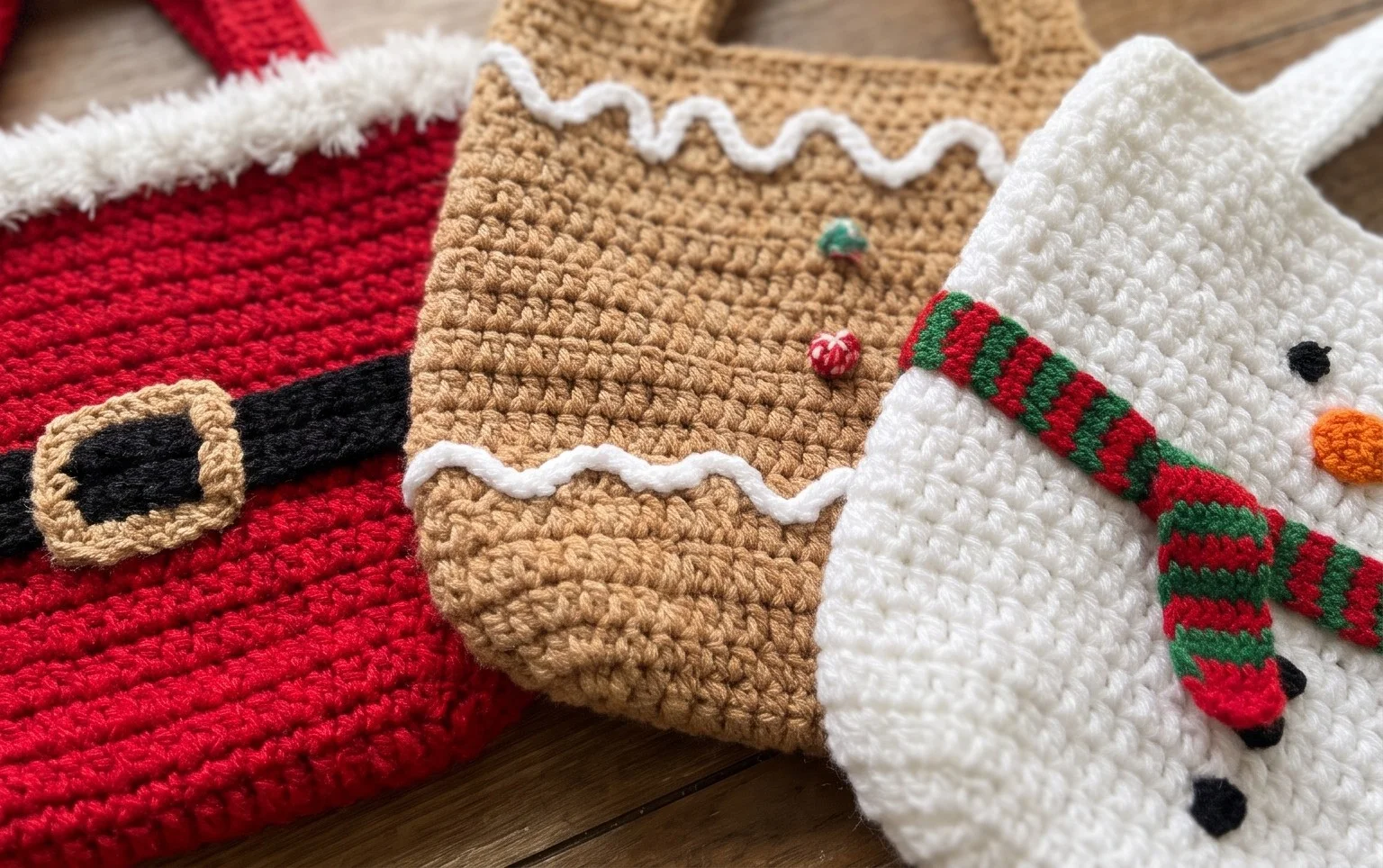
A finished Christmas tote has a cheerful look and enough everyday use to earn a place by the door long after the holiday season. If you want to change the design, try a single-color bag with a contrasting stripe at the top, while keeping the same yarn weight so the handles stay in proportion. Check the finished width and handle length before weaving in the last ends; those small details help the bag sit comfortably on your shoulder. Share a photo of your colors and finished stitches on Pinterest or your favorite social platform. Then browse the blog for more free crochet patterns, including practical projects and seasonal gifts to work on next.