29 Easy Pocket Crochet Amigurumi Ideas for Handmade Gifts
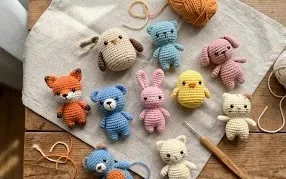
Small enough to tuck into a pocket, these crochet amigurumi figures have soft shapes, cheerful details, and plenty of personality in just a few inches. This collection of 29 ideas includes tiny animals, friendly characters, and other little companions that work well as handmade gifts, bag charms, or desk decorations. Beginners can start with a simple rounded shape, while more experienced crocheters can add color changes, tiny accessories, or embroidered faces. Most designs use familiar amigurumi techniques, such as working single crochet in the round and shaping with increases and decreases. You’ll also find ways to choose yarn and hooks for a firm fabric, place features neatly, and finish small pieces without bulky seams. Pick a design that suits your time and yarn stash, then enjoy making a pocket-sized figure that feels personal and satisfying to complete.
Why You’ll Love This Pattern
This cotton dishcloth is worked in simple single crochet rows, so you can focus on steady tension and neat edges rather than complicated shaping. The finished square is useful for everyday washing and wiping, and its compact size makes it a practical project for a short crafting session.
A solid-color cloth is easy to match to a kitchen, while leftover cotton can make a striped version. The fabric is dense enough for scrubbing but remains flexible after washing. It also makes a useful handmade gift when paired with a bar of soap or a set of kitchen towels.
The rows were easy to keep track of, and the cotton made a sturdy cloth that washed well. I added a stripe from my leftover yarn.
— Anna, home crocheter
Pattern Overview & Skill Level
- Skill Level: Beginner. You should know how to make a chain and single crochet.
- Approximate Time: 2–3 hours, depending on your pace and how often you stop to check the edges.
- Construction: A flat square worked back and forth in rows, with one single crochet in each stitch. The border is formed by the row-end stitches, so no separate edging is required.
- Finished Dimensions & Sizing: About 8 × 8 in (20 × 20 cm) after washing and drying flat. Your measurements may differ slightly with yarn, hook, and tension.
Materials & Supplies Needed
- Yarn: About 90 yd (82 m) of worsted-weight cotton yarn, approximately 50 g. Use one color, or divide the amount between two colors for stripes. Cotton absorbs water and tolerates frequent washing.
- Hook Size: 5.0 mm / H-8 crochet hook. If your fabric feels stiff, try a 5.5 mm / I-9 hook; if it has large gaps, try a 4.5 mm / 7 hook. Changing hook size also changes the finished dimensions.
- Notions: Tapestry needle for weaving in the ends, scissors, and a ruler or measuring tape. A stitch marker is optional for marking the first stitch of each row.
- Substitutions: A different worsted-weight cotton is suitable, but check its care label and expect small differences in texture and size. Cotton-linen blends can feel firmer and may drape less. Avoid acrylic for a cloth intended to absorb water.
Stitch Guide & Abbreviations (US Terms)
- ch: Chain.
- sc: Single crochet. Insert the hook in the stitch, yarn over and pull up a loop, then yarn over and pull through both loops.
- st / sts: Stitch / stitches.
- rep: Repeat.
- Turning chain: The chain made at the start of a row to bring the hook to working height. In this pattern, ch 1 does not count as a stitch.
Step-by-Step Pattern Instructions
Use US crochet terms throughout. The stitch count is 25 stitches on every row. Keep the turning chain loose and do not work into it at the end of the next row.
Dishcloth
- Foundation: Ch 26. The foundation chain has 26 chains.
- Row 1: Sc in the second ch from the hook and in each ch across. Turn. (25 sts)
- Rows 2–5: Ch 1, sc in each st across. Turn. (25 sts each row)
- Rows 6–10: Ch 1, sc in each st across. Turn. (25 sts each row)
- Rows 11–15: Ch 1, sc in each st across. Turn. (25 sts each row)
- Rows 16–20: Ch 1, sc in each st across. Turn. (25 sts each row)
- Rows 21–25: Ch 1, sc in each st across. Turn. (25 sts each row)
Finishing
After Row 25, fasten off, leaving a tail about 6 in (15 cm) long. Thread the tail onto a tapestry needle and weave it through several stitches on the wrong side. Change direction once before trimming the remaining yarn so the end is less likely to work loose in the wash.
Check that the cloth is close to square. If one side is noticeably longer, wet-block it by soaking it briefly in cool water, pressing out excess water without twisting, and pinning it to the intended dimensions until dry. A slight difference from the stated size is normal because cotton and individual tension vary.
Care & Washing Instructions
- Wash cotton in warm water, up to 40°C (104°F), with similar colors; use the yarn label’s instructions if they differ.
- Dry flat after gently pressing out excess water, or tumble-dry on low if the yarn label permits.
- Reshape the corners while damp and let the cloth dry flat; light blocking can restore its square shape.
Pro Tips & Common Mistakes to Avoid
- Keep your tension even, especially along the foundation chain. If the first row pulls tight, make the chains with a relaxed hand or use a slightly larger hook for the chain alone.
- Count the stitches at the end of each row. Put a marker in the first stitch if the row ends are hard to see; missing the last stitch gradually narrows the cloth.
- Weave in each end with a tapestry needle on the wrong side, passing through several stitches and changing direction. Avoid leaving a short tail that can loosen during washing.
- For a larger cloth, add chains in the foundation and work the same number of single crochet stitches across each row. A wider or longer cloth uses more yarn; allow roughly 10% extra for each 10% increase in both dimensions.
Frequently Asked Questions
Can I use a different cotton yarn?
Yes. Choose a yarn close to worsted weight and check that it is suitable for repeated washing. A thinner yarn makes a smaller, lighter cloth, while a thicker yarn makes a denser cloth and may need a larger hook and more yarn.
How can I make the dishcloth bigger or smaller?
Change the foundation chain to adjust the width, then work more or fewer rows to adjust the length. Keep the row stitch count consistent, and remember that changing both dimensions increases yarn use more than changing only one.
Is this pattern suitable for a first crochet project?
Yes, if you can make a chain and single crochet. The square uses the same stitch across every row. Count carefully at the ends, where beginners commonly skip the final stitch or add one in the turning chain.
Can I sell dishcloths made from this pattern?
Check the designer’s terms before selling finished items, and follow any attribution or sales restrictions they give. This guide does not establish permission for commercial use.
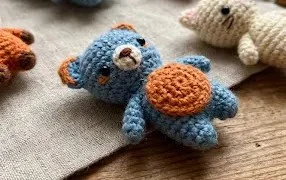
A finished pocket-sized figure is a satisfying little project: a few rounds of crochet, a small amount of stuffing, and carefully placed details turn yarn into a companion with its own character. Try changing the yarn colors to make a favorite animal or character your own, or use a slightly larger hook and yarn for a bigger version. If you make one, share a photo on Pinterest or your social media feed so other crocheters can see your colors and finishing touches. You can also explore more free crochet patterns on the blog for another small project to keep your hook moving. Keep your leftover yarn nearby; it may be just enough for the next tiny idea.